
Views: 0 Author: Site Editor Publish Time: 2025-07-09 Origin: Site


● Comfort and Control: Choosing the right size helps you maintain proper posture. This reduces back, neck, and leg strain. A better fit means less fatigue during longer rides and more control over the bike, making your experience much more comfortable.
● Performance: Proper sizing impacts your pedaling power and energy efficiency. A well-sized bike allows you to ride more efficiently, saving energy on longer commutes or rough terrain, so you won’t wear out as quickly.
● Safety: A correct fit is crucial for your safety. A bike that’s too big or too small can affect your ability to control the bike, increasing the risk of accidents. A good fit ensures you can stop, steer, and maneuver with ease.
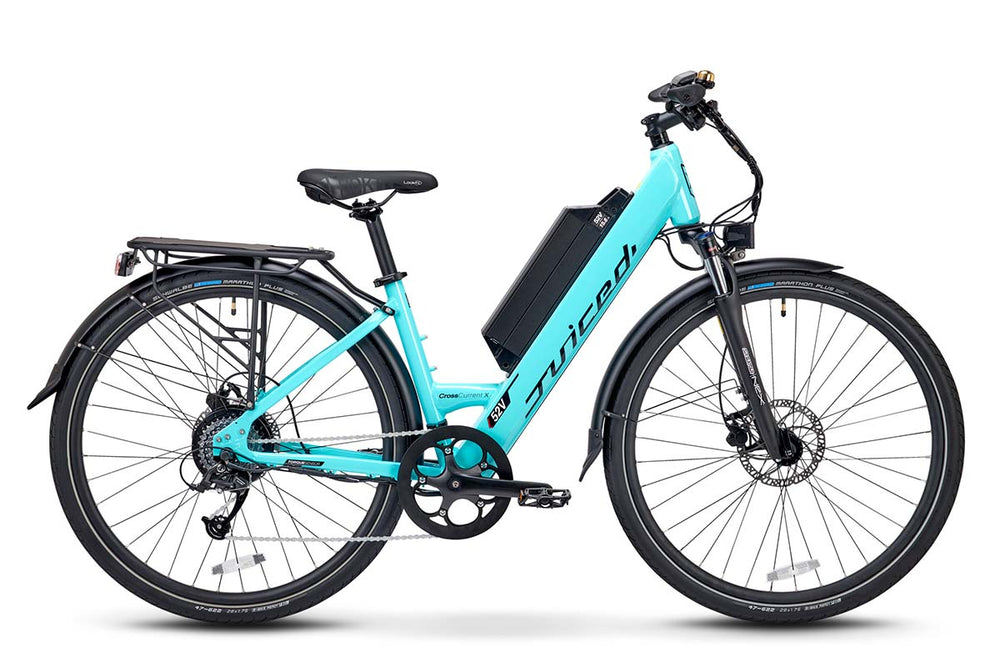
● Inseam: Your inseam is the most important measurement for determining the right frame size. It’s the distance from your crotch to the floor, and it helps you choose the correct frame size for leg clearance and comfort.
○ How to Measure It Correctly: Stand with your back against a wall and use a tape measure to measure from the top of your inner leg to the floor. Ensure you’re standing straight with no shoes on.
○ Recommended Inseam Sizes:
■ Small Frame: 28"–30"
■ Medium Frame: 30"–32"
■ Large Frame: 32"–34"
■ Extra-Large Frame: 34"+
● Standover Height: This is the clearance from the ground to the top tube of the bike frame. It’s important to have enough space so you can stand over the bike comfortably. You should have about 2–4 inches of clearance between the top tube and your body.
○ Ideal Clearance: The top tube should sit 2–4 inches below your inseam for safe mounting and dismounting.
● Seat Height: Seat height directly affects pedaling efficiency and comfort. The correct seat height allows your legs to extend almost fully with each pedal stroke, improving pedaling power.
○ The Heel-Toe Method:
■ Rotate the pedal so your heel is on the pedal at the lowest position.
■ Your leg should be straight with a slight bend in the knee.
■ If your leg is too straight or bent, adjust the seat up or down accordingly.
Your inseam is the most important measurement when determining the right frame size. It’s the distance from your crotch to the floor, measured along the inside of your leg. Once you have your inseam length, you can match it with the correct frame size to ensure comfort and performance.
How to find your ideal size:
● Small Frame: Generally for inseams between 28-30 inches.
● Medium Frame: Fits inseams between 30-32 inches.
● Large Frame: Best for inseams of 32-34 inches.
● Extra-Large Frame: For inseams 34 inches and above.
Also, check the standover height. Ideally, your inseam should be 2-4 inches longer than this measurement. The closer your inseam is to the standover height, the more comfortable and secure you'll feel.
When sizing an e-bike, your height also plays a critical role in determining the right frame. It helps ensure your reach to the handlebars is comfortable. Here's a general guide for height-based sizing:
● 5’1" to 5’6": Choose a small to medium frame.
● 5’6" to 5’10": A medium frame is ideal.
● 5’10" to 6’2": A large frame fits best.
● 6’2" and above: Opt for an extra-large frame.
If you're between sizes, an adjustable frame can be a great option. These frames allow for seat and handlebar adjustments, providing a customized fit, especially for riders who fall between two size ranges.
When we talk about e-bike geometry, we refer to the measurements and angles that define the bike's overall shape and riding dynamics. It's more than just frame size—it directly affects how the bike fits your body and how comfortable you feel while riding.
● Top Tube Length: This is the horizontal distance between the seat tube and the head tube of your e-bike. It directly impacts your reach to the handlebars. If the top tube is too long, you may feel stretched out; if it's too short, you may feel cramped.
● Seat Tube Angle: The seat tube angle is the angle formed between the ground and the seat tube. It affects your pedaling position and how comfortably you ride. A steeper angle puts you in a more aggressive, forward-leaning position, ideal for performance. A slacker angle makes for a more relaxed ride, better for commuting or casual cycling.
● Stack and Reach Ratio: The stack is the vertical distance from the bottom bracket to the top of the head tube, while the reach is the horizontal distance from the bottom bracket to the center of the head tube. This ratio influences how upright or stretched you are when riding, balancing comfort and performance.
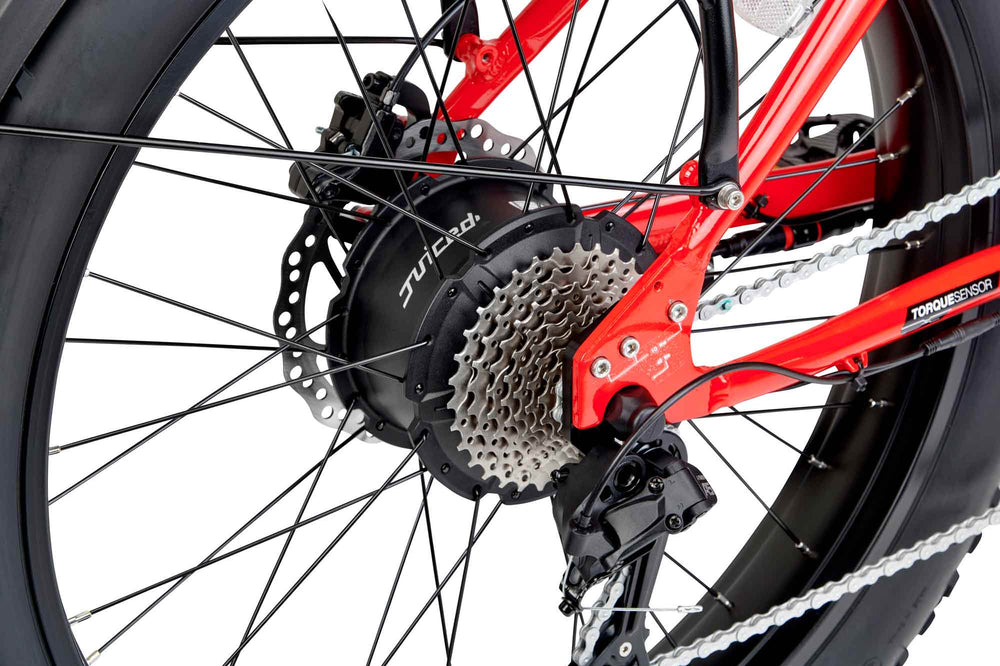
Understanding how geometry influences comfort can help you find the best fit for your e-bike. It's all about how the bike’s angles and measurements work with your body.
● Seat Tube Angle for Different Riding Styles: If you're commuting, a more relaxed seat tube angle offers a comfortable, upright posture. For mountain biking, a steeper angle helps you get into a more aggressive riding position. The right seat tube angle can make or break your comfort during long rides.
● Frame Geometry and Riding Posture: Geometry affects your posture. A more upright geometry reduces strain on your back and shoulders, making it ideal for casual rides or commuting. Meanwhile, an aerodynamic geometry puts you in a forward position, ideal for performance-oriented riders who want to maximize speed.
● Upright vs. Aerodynamic Geometry: If comfort is your priority, go for a bike with a more upright geometry. This keeps your body in a neutral position, reducing fatigue. If you're looking for speed and performance, choose a frame with a more aggressive angle that promotes better aerodynamics.
In-store Testing: Why It’s Important to Try Before You Buy
Testing an e-bike in-store is the best way to ensure the right fit. When you sit on the bike, check if your legs reach the pedals comfortably. Pay attention to the reach to the handlebars—your arms should bend slightly without overextending. Test ride the bike to assess how it feels. Feel the comfort in your seat, how easily you can maneuver, and how responsive the bike is.
Online Buying: How to Measure and Compare Your Fit Based on Manufacturer Specs When buying online, measure your inseam, height, and torso length to compare against the bike’s geometry chart. Look for information on standover height, frame size, and reach. Many e-bike brands offer online tools or detailed sizing guides, which can help narrow down your options. If unsure, reach out to customer support for personalized advice based on your measurements.Post-Purchase Adjustments
Seat Height and Saddle Position Adjustments for Comfort
After purchasing, adjust your seat height to optimize your pedaling efficiency. Start by using the heel-toe method: Place your heel on the pedal in the lowest position—your leg should be nearly straight. If your knee is locked, lower the saddle. If you’re overextending, raise it slightly. Adjust the saddle forward or backward for better comfort and to avoid strain on your knees.
Handlebar Height and Reach: How to Make Sure You’re Not Overstretched
Handlebar height impacts your riding posture. If you’re too hunched over or reaching too far, it’s a sign that the handlebars need adjusting. You can raise or lower the stem to change the height, or use a shorter or longer stem to adjust reach. The goal is a natural, comfortable position where your arms have a slight bend without straining.
Additional Components: How to Adjust Pedals, Grips, and Brakes for an Ergonomic Fit
Small adjustments to pedals, grips, and brakes can make a big difference in comfort. Ensure your pedals are aligned correctly and that they suit your riding style. Grips should be comfortable and not cause any wrist strain. Adjust the brake lever position to ensure easy access without overextending your fingers. These fine-tuning steps help you ride comfortably for longer distances without discomfort.
Testing an e-bike in person gives you a clear sense of how it fits your body. The bike's geometry, comfort, and riding position are all easier to assess in real life. You’ll want to test ride a few models, checking for comfort, reach, and overall feel. Make sure to adjust the seat height and handlebars to see if you can maintain a relaxed and natural riding position.
If you're purchasing online, ensure you check the bike’s specifications carefully. Measure your inseam and compare it with the recommended frame size chart for each model. Pay attention to other measurements like the standover height and the seat height adjustment range. Some online retailers offer virtual fitting tools, which can help guide you toward the best size.
Once you’ve received your bike, fine-tune the saddle height for optimal comfort and efficiency. Use the heel-toe method: place your heel on the pedal and ensure your leg is almost fully extended when the pedal is at the lowest point. Adjust the saddle height until your legs are comfortably extended without overstretching or straining your knees.
Adjusting the handlebars can make a big difference in how you feel during your ride. For a more relaxed riding position, raise the handlebars slightly. This helps avoid hunching over and relieves back strain. If you're reaching too far, consider shortening the stem or adjusting the handlebars to a more comfortable position.
Pedal and grip positioning can also affect your comfort. Adjust the pedals to ensure your feet are in the correct position. Make sure your grips allow for a relaxed wrist angle. Lastly, check the brake levers and ensure they are within easy reach without overstretching your fingers. These small adjustments can help prevent discomfort and enhance your riding experience.
Wheel size plays a key role in ride stability and comfort. Larger wheels, like 29", provide better control, especially on uneven or rough terrain. They roll over obstacles more smoothly, absorbing bumps and reducing the jarring effects of uneven surfaces. Smaller wheels, such as 26", are more agile, allowing quick turns and faster acceleration.
Common wheel sizes include:
● 26" wheels: Suitable for agility and quick responses.
● 27.5" wheels: A balance between stability and agility.
● 29" wheels: Ideal for rough terrain, providing smooth rides.
Choosing the right size depends on where you ride and how you prefer to handle your bike.
Larger wheels, like 29", offer superior stability. They’re perfect for rough terrains, such as trails or mountain biking, where a smoother ride is needed. Larger wheels are great for covering longer distances and maintaining speed, especially on uneven paths.
Smaller wheels, such as 26", are ideal for city commuting or urban riding. They provide greater maneuverability and quicker handling, making them perfect for tight spaces and fast acceleration. Smaller wheels also make the bike lighter and easier to carry.
When choosing the right size for your e-bike, your preferred riding style matters. Each type of cycling—commuting, mountain biking, or touring—requires a different fit for optimal comfort and performance.
● Commuting: For daily city rides, a comfortable and upright position is key. A more relaxed frame size works best for comfort and better visibility in traffic.
● Mountain Biking: Off-road riders may prefer a smaller frame that provides greater maneuverability and control.
● Touring: Long-distance riders should consider a frame that balances comfort and performance, especially with a more relaxed geometry.
Additionally, frame types like step-through vs. step-over also affect your choice. Step-through bikes are great for riders with limited mobility or those who prefer easy mounting, while step-over frames offer a sportier, more stable ride.
Comfort vs. Performance: Your ride's comfort might matter more if you're commuting daily, while performance could be a priority for mountain biking or racing.
Another crucial factor in sizing your e-bike is the weight capacity. Most e-bikes are designed to accommodate riders within a specific weight range, which impacts performance, safety, and comfort.
● Weight Capacity: If you're a heavier rider, check the bike's load capacity to ensure it can support you comfortably. Choosing an e-bike with a higher weight limit ensures better performance and reduces the risk of frame or component failure.
● Durable Frames for Heavier Riders: For those who weigh more or plan to carry additional gear, look for an e-bike with reinforced frames and high-quality components. These bikes are built to withstand extra pressure, providing a smoother and more reliable ride.
When choosing the right e-bike, many riders make mistakes that can affect comfort and performance. Let’s go over the most common errors:
● Why It’s Important: Your inseam and standover height are crucial for ensuring you can safely and comfortably mount and dismount the bike.
● The Mistake: Many riders ignore these measurements, leading to an uncomfortable fit and potential safety risks.
● How to Avoid It: Always measure your inseam and compare it with the bike’s standover height to ensure proper clearance.
● Why It’s Important: A bike that’s too large or too small can cause discomfort and affect your control, especially during long rides.
● The Mistake: Riders may choose a bike based on general recommendations, but frame sizes can vary significantly.
● How to Avoid It: Measure your height and inseam carefully and compare with the bike’s size chart. Test ride if possible to ensure a good fit.
● Why It’s Important: E-bikes are heavier than traditional bikes, and a frame that’s too light may not support your weight, leading to instability.
● The Mistake: Not factoring in your weight and the bike’s load capacity can result in poor performance.
● How to Avoid It: Check the bike’s weight limit and ensure it matches your needs. Opt for a sturdier frame if you're a heavier rider.
Proper e-bike sizing is essential for comfort, safety, and performance. A well-sized bike ensures a smoother and more enjoyable ride.
Before buying, always measure yourself and test-fit the bike to ensure the best fit.
Visit a local dealer or use online sizing tools to find the perfect e-bike for your body type and riding style.
A: The most important measurement is your inseam. It determines whether the bike’s frame is the correct size, ensuring you can comfortably stand over the bike.
A: Standover height is crucial because it ensures that when you stand over the bike, there’s enough clearance for safety. A proper fit prevents discomfort or injury when dismounting or in case of a fall.
A: The weight of the e-bike impacts how easily you can control and maneuver it. Heavier bikes may be harder to carry or handle, while lighter bikes offer more agility but may sacrifice stability.
A: Yes, it’s highly recommended to test-ride an e-bike before buying. This helps you assess comfort, fit, and ride quality, ensuring you choose the best size and model for your needs.
Discover the essential measurements to consider when selecting an e-bike for optimal comfort and performance.


