
Views: 0 Author: Site Editor Publish Time: 2025-07-09 Origin: Site


E-bikes, short for electric bicycles, combine traditional bike components with an electric motor to assist in pedaling. Here are the basic components that make up an e-bike:
● Motor: Provides assistance by reducing the effort needed to pedal. The motor is typically located in the hub (front or rear) or in the mid-drive (center of the bike).
● Battery: Powers the motor. It’s usually rechargeable and located either on the frame or integrated into the bike. A bigger battery means longer rides.
● Pedal Assist: This feature provides motor assistance when you pedal, making it easier to ride over long distances without fatigue. It can be adjusted to provide varying levels of support.
E-bikes come in different types, suited for various riding needs:
● Touring E-Bikes: Designed for long, comfortable rides over long distances, often equipped with higher-capacity batteries and added comfort features.
● Mountain E-Bikes: Built for rugged terrains and long off-road rides, with added suspension and motor power to help you tackle steep hills.
E-bikes are perfect for long-distance rides because they help reduce physical strain while still giving you the thrill of cycling. Here’s how:
● Pedal Assist and Throttle: Pedal assist makes it easier to travel long distances. You pedal, and the motor helps. Alternatively, throttle mode lets you control the motor directly for a more effortless ride, especially when you’re tired or need a break.
● Advantages Over Traditional Bikes: E-bikes allow riders to cover more distance with less effort compared to traditional bikes. They are perfect for those who want to ride long distances but don’t want to exhaust themselves.
● Key Features for Long-Distance Rides:
○ Battery Capacity and Range: A larger battery helps you ride further, while high-range e-bikes ensure you can complete long trips without needing to recharge constantly.
○ Comfort: Comfort features like adjustable seats, suspension, and ergonomic design are essential for long hours of riding.
○ Durability: High-quality components, such as tough tires and frames, are necessary for long-distance rides, ensuring your e-bike can handle the wear and tear of extended journeys.
E-bikes are designed to help you cover longer distances in less time. The electric motor assists with pedaling, so you don’t need to exert as much energy. This means you can travel further, faster, and with less effort compared to a regular bike.
Compared to traditional bicycles, e-bikes make long-distance travel more accessible and comfortable. You won’t get as tired, even on longer rides, because the motor helps you maintain a steady speed without pushing yourself too hard.
One of the key benefits of e-bikes is the pedal assist feature. It reduces the physical strain required, making long-distance cycling much less tiring.
Comfortable seating, suspension, and a well-designed bike frame are important for riders on long trips. E-bikes typically have better suspension systems and cushioned seats, ensuring a smooth ride even on rougher terrain.
For riders with physical limitations or health concerns, e-bikes are an excellent option. The motor’s assistance allows you to enjoy cycling without overexerting yourself, making long rides more enjoyable.
E-bikes are an eco-friendly alternative to cars, offering zero emissions and helping reduce your carbon footprint. Choosing an e-bike over driving for long trips contributes to a cleaner environment.
In addition, e-bikes are a cost-effective mode of transport. They eliminate fuel expenses, parking fees, and reduce maintenance costs compared to owning a car. Charging your e-bike is much cheaper than refueling a car, making it an affordable choice for long-distance riders.
While e-bikes provide assistance, they still offer a good workout. Pedaling with motor support helps you stay active and engaged without overtaxing your body.
For those seeking low-impact exercise, e-bikes are a great option. Cycling on an e-bike can improve cardiovascular health, strengthen muscles, and maintain overall fitness levels, all while minimizing the risk of joint strain.
While e-bikes offer many benefits, they also come with a few drawbacks for long-distance cycling. It's important to consider these cons before deciding if an e-bike is the right choice for you.
E-bikes are more expensive than traditional bicycles. The upfront cost can range from a few hundred dollars to several thousand, especially for high-end models. You’ll be paying for the motor, battery, and specialized components. It’s crucial to determine if the long-term benefits justify the investment.
One of the biggest concerns is the battery. The range of an e-bike depends on factors like battery capacity, terrain, and your weight. While modern batteries are better, you might still need to plan for charging stops, especially on longer rides. Some e-bikes also take several hours to charge fully, which can disrupt your travel schedule.
E-bikes tend to be heavier than regular bikes due to the added motor and battery. This extra weight can make handling, transporting, and storing the bike more difficult. If you need to carry the bike up stairs or store it in a small space, the weight can become a hassle.
E-bikes require specialized maintenance, especially for the motor and battery. While regular bikes need periodic tune-ups, e-bikes may require more frequent repairs or part replacements, especially the motor or battery. Over time, this can add up and increase the overall cost of ownership.
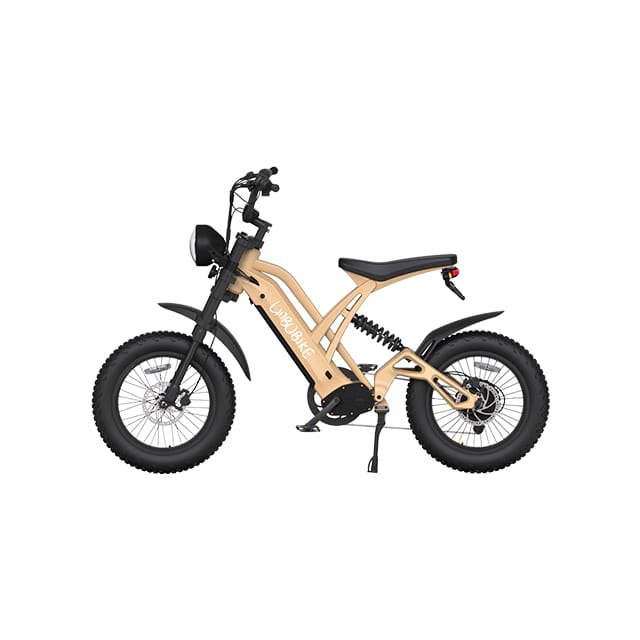
Before hitting the road, it’s crucial to check the legal regulations around e-bike use in your area. While e-bikes are widely accepted, certain restrictions can apply depending on location. Some states or countries have specific speed limits for e-bikes or restrict access to bike paths. In many regions, e-bikes are allowed on roads, but highways or restricted zones might have limitations. Additionally, classifications of e-bikes (Class 1, 2, or 3) determine whether they can be used in specific areas. Make sure to review local laws for each area you’ll be traveling through.
When selecting an e-bike for long-distance rides, there are several important factors to consider:
● Motor Power: The motor should be powerful enough to handle long trips, especially if you’ll be cycling uphill.
● Battery Range: Longer rides require an e-bike with a substantial battery capacity. Ideally, choose one with a range that covers your daily distances.
● Comfort Features: Comfort is key for long rides. Look for suspension features and ergonomic design to reduce discomfort.
● Durability: Your e-bike should be built for endurance, capable of handling rough roads and long rides without failure.
For touring e-bikes, models with sturdy frames, cargo racks, and integrated lighting are ideal. Look for bikes designed specifically for long-distance cycling to ensure you get the most comfort and functionality.
Planning your route ahead of time is essential, especially for long-distance e-biking. Consider these tips:
● Battery Range: Choose a route that matches your battery capacity. Make sure your daily ride doesn’t exceed the e-bike’s range on a single charge.
● Charging Stops: Identify charging stations along the way. Use apps or websites like PlugShare to find charging locations. Some hotels and cafes offer charging stations for e-bikes.
● GPS and Route Planning: Utilize apps like RideWithGPS or Komoot to plan your route. These apps help you visualize elevation changes and ensure you know exactly where you’re going.
Proper preparation ensures a smooth journey. Here are a few training and gear preparation tips:
● Training: Start training months ahead. Gradually increase your distance and add weight to mimic the load you’ll carry. Build endurance, especially for long days on the saddle.
● Prepare Your Body: Include strength training and stretching exercises in your routine. This helps prevent injury and keeps you fit for the journey.
● E-Bike Setup: Equip your e-bike with the right accessories. Panniers for gear storage, extra battery packs, and waterproof covers are all essential for long-distance travel.
By training ahead and preparing your e-bike with reliable gear, you’ll be ready for an enjoyable and safe long-distance ride.
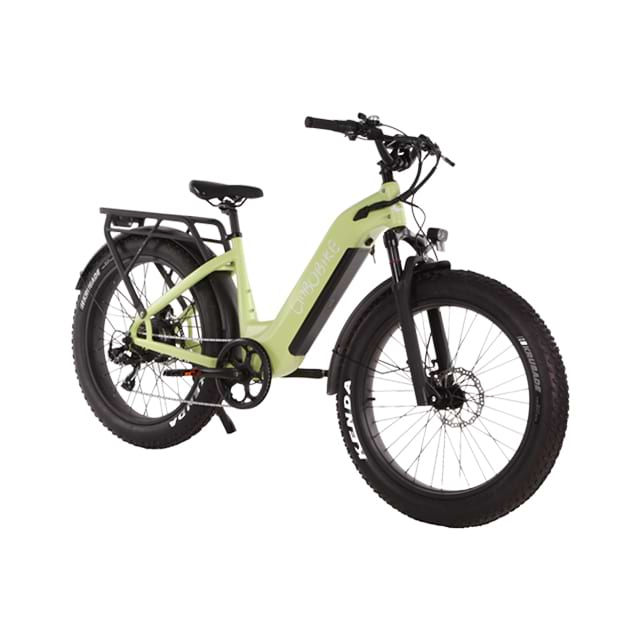
When considering alternatives to e-bikes for long-distance travel, traditional bicycles are the most obvious option. They offer a simpler, more straightforward approach to cycling.
● No Battery Worries: No need to charge or worry about battery life.
● Full Physical Exercise: You rely completely on your own strength, offering a full-body workout.
● Lower Initial Cost: Traditional bikes are generally more affordable than e-bikes.
● Physical Strain: Long-distance rides can be tiring and physically demanding.
● Limited Speed: You’ll need to push yourself harder to maintain speed, especially on hilly terrain.
● Less Comfort: Depending on the bike type, long rides may feel uncomfortable without added features like suspension.
For those who want an easier, faster option, motorcycles or electric scooters could be the choice for long-distance rides.
● Speed: Motorcycles and electric scooters are much faster than e-bikes, often reaching highway speeds.
● Comfort: These vehicles typically offer more comfort with larger seats, suspension, and weather protection.
● Cost: The upfront cost of motorcycles and electric scooters is much higher, and they may incur greater maintenance and fuel costs over time.
● Maintenance: Motorcycles and scooters require more maintenance due to the engine and mechanical parts.
● Range: While electric scooters and motorcycles can travel long distances, e-bikes are often better suited for sustainable, eco-friendly trips.
When deciding if an e-bike is worth the investment for long-distance rides, it’s essential to consider both the advantages and drawbacks. Here’s a quick overview:
● Increased Range & Speed: E-bikes let you cover more distance faster with less effort.
● Less Fatigue: The pedal-assist feature helps reduce physical strain.
● Eco-Friendly: They produce zero emissions, making them a green transportation option.
● Health Benefits: Offers a moderate workout while reducing stress on joints.
● Cost Savings: E-bikes save on fuel and parking over time.
● Initial Cost: E-bikes can be expensive, especially for high-quality models.
● Battery Life & Range: Limited range per charge can affect long-distance rides.
● Weight: Heavier than traditional bikes, which can impact portability.
● Maintenance: E-bikes require specialized care, leading to higher long-term costs.
To assess if the benefits outweigh the challenges, consider your riding distance, terrain, and how often you'll use the bike. If convenience and comfort are essential for long rides, an e-bike could be a worthwhile investment.
Choosing the right e-bike for long-distance riding involves considering several key factors:
● E-bikes for long distances should have a higher battery capacity for longer rides. Aim for a bike with a range that suits your daily commute or adventure.
● For tackling steep hills or rough terrain, a more powerful motor is crucial. Look for motors with higher torque, like mid-drive motors, for better performance on challenging routes.
● Since e-bikes are heavier, choose a model that balances weight and comfort. A lighter frame helps with portability but may compromise some features like battery life.
● E-bikes come in various price ranges. Make sure the model you choose fits your budget while offering good value for your needs. A higher upfront cost often leads to better durability and performance.
● Depending on your journey, choose the right bike type. For smooth, paved roads, a touring e-bike might be ideal. For mixed terrain or mountain routes, opt for a more rugged model designed for off-road conditions.
Selecting the right model is essential for maximizing your long-distance riding experience. Choose wisely, and you’ll enjoy your journey to the fullest!
E-bikes offer a great way to cover long distances with less effort, but they come with challenges like cost and battery limitations. If you value convenience, comfort, and eco-friendly travel, they might be a perfect fit.
Try out an e-bike to experience its benefits and explore its potential for your next long trip!
A: The range of an e-bike depends on battery capacity, terrain, and usage. On average, e-bikes can travel 40-100 miles per charge, with longer ranges for high-capacity batteries and flatter terrains.
A: E-bikes are safe for long-distance travel if you follow proper safety precautions. Always wear a helmet, ensure good visibility with lights, and adhere to road safety rules, including maintaining a safe distance from traffic.
A: Charging time typically takes 3-6 hours, depending on battery size and charger speed. Plan for charging stops during long trips to ensure a full battery when needed.
A: Yes, e-bikes are great for touring and camping, especially models with strong battery life and cargo capacity. They can carry gear and help cover long distances without exhausting the rider.
A: Yes, several organized e-bike tours and events cater to long-distance riders. These tours often provide support, routes, and group riding experiences for those looking to travel across regions or even countries.


